This post contains affiliate links. As an Amazon Associate, I earn from qualifying purchases. Your price is not affected. Affiliate & Ad Disclosure
광고
A few weeks back, my daughter came home from preschool with a snack bag that her friend had shared. We mostly do home-cooked meals at our place, but watching her friends snack away made her eyes light up. “Mom, can I have some of that too?” I knew I couldn’t avoid this forever.
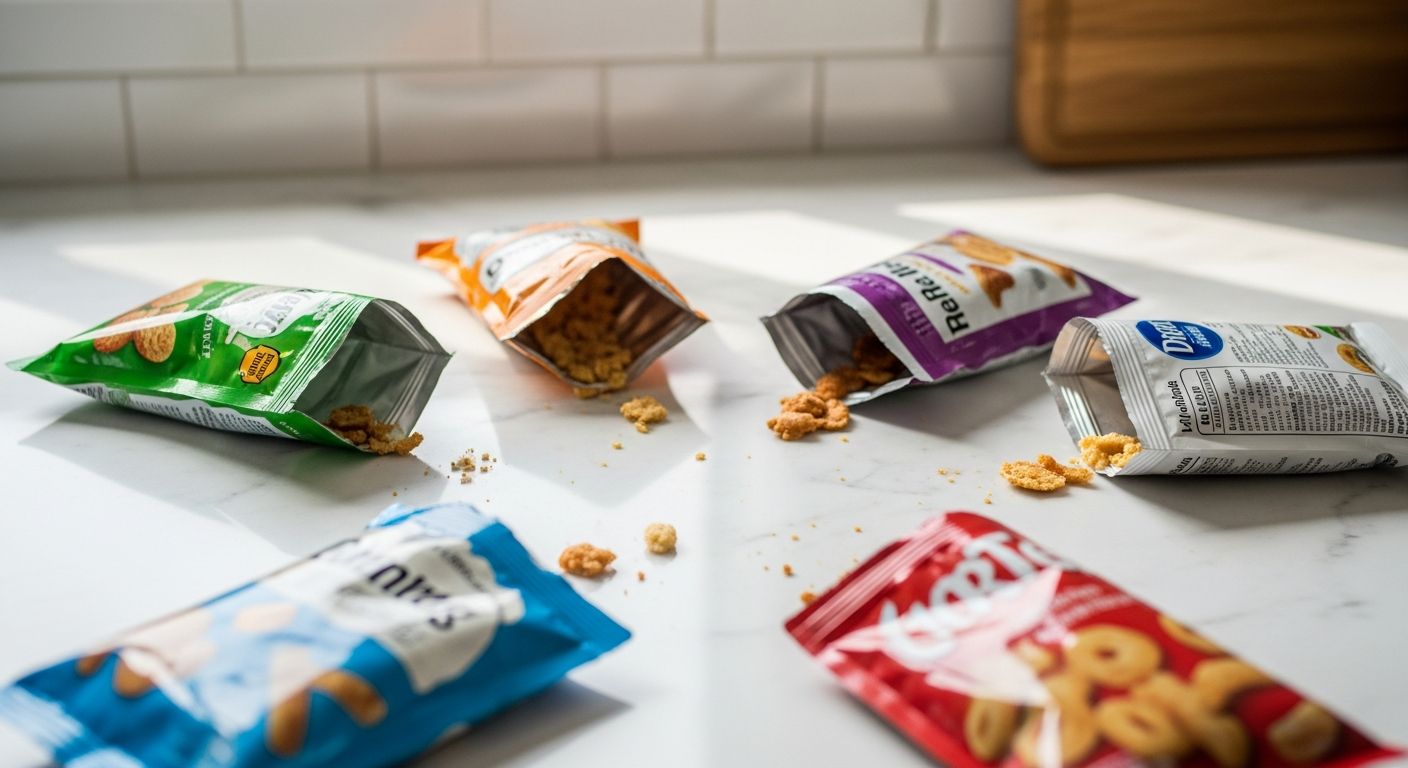
So I grabbed five different snacks—a couple from Amazon’s in-house brand and three from the classic brands I grew up with. Over four weeks, I let my daughter pick from them freely. Here’s the honest truth: I’d only buy two of them again.
I Almost Went All-In on Amazon Brand for the Price
The Amazon discounts kept popping up in my app, and honestly, the price difference was hard to ignore—30 to 40% cheaper than the name brands. But then I flipped over the packages and looked at the ingredient lists. I realized I couldn’t just grab whatever was on sale.
Food is one area where I don’t compromise. So I mixed it up: two Amazon brand options plus three from the familiar snack companies. I bought two or three of each and gave them out two to three times a week, usually after school pickup around 3 or 4 p.m., with a couple of hours before dinner.
I stuck to one serving per snack and offered fruit or cherry tomatoes when she asked for more. It turned into a bit of a tasting experiment, and I kept notes like I was writing in a parenting journal.
A Five-Year-Old’s Taste Buds Don’t Lie
On day one, I laid out all five options and let her choose. What surprised me was how quickly she decided—not based on the package design, but one bite in, she knew what she liked.
Amazon Brand Baked Potato Chips — She polished off the first bag in one sitting. “Mom, these aren’t salty,” she said, reaching for more. I checked the back: 100% domestic potatoes, 40% less sodium than regular chips. (Shop Amazon Brand Baked Potato Chips)
Classic Corn Puffs — Her preschool friends are crazy about these. Turns out, so was she. They’re crispy, not too salty, and she ate them without needing water. The catch? They contain MSG, so I limited her to once a week. (Shop Corn Puffs)
Amazon Brand Organic Rice Crackers — To be honest, these tasted bland to me, and she felt the same. “Mom, is this for babies?” she asked after one. They’re probably perfect for younger toddlers, but a five-year-old? Not a chance. I didn’t rebuy these.
Chocolate Cookie Sticks — She loved these most, probably because they look like the treats at birthday parties. But the sugar content is high, so I rationed them—three at a time instead of letting her loose on a whole box. She understood the rule pretty quickly.
Freeze-Dried Fruit Chips — I thought these would be a slam dunk because they’re “healthier.” Nope. “These taste weird,” she said, and that was that. I ended up eating the leftovers myself. Not repurchasing.
Four Weeks of Notes: What Actually Happened
I jotted down what she reached for each week. Looking back at the pattern was eye-opening.
Week 1: She tried everything out of curiosity. The Amazon potato chips and chocolate sticks got the most attention. The fruit chips? She left most of that bag untouched.
Week 2: The rice crackers disappeared from her requests. Instead, she asked me to pack the corn puffs in her school bag to share with friends. She was now thinking about being the one offering snacks.
Week 3: The chocolate sticks were still favorites, but she started listening when I said “let’s try something different today.” She even caught herself with the potato chips—”just one bag, Mom.”
Week 4: The leftover fruit chips became my commute snack. She only asked for the potato chips and corn puffs.
The Final Verdict: Two Winners
After a month of this experiment, the choice was clear. Only two are worth my money.
| Product | Price | Her Reaction | Buy Again? |
|---|---|---|---|
| Amazon Baked Potato Chips | ~$3 | Finished first bag same day. “Not salty!” | ✓ Yes |
| Classic Corn Puffs | ~$4 | Friends eat them, so she wants them. Crispy. | ✓ Yes |
| Amazon Organic Rice Crackers | ~$3.50 | “Is this for babies?” — Too bland. | ✗ No |
| Chocolate Cookie Sticks | ~$4 | Loved them most, but sugar’s high. Limited portions. | △ Rarely |
| Freeze-Dried Fruit Chips | ~$6 | “Tastes weird.” — Most left over. | ✗ No |
The Amazon baked potato chips are now a regular buy. Good price, simple ingredients, and she actually portions herself without being asked. The corn puffs? Once a week, usually because she wants to share them at school. Everything else gets skipped.
Reading Labels Became a Habit
I’ll be honest—I never thought I’d become someone who spends three minutes comparing ingredient lists in the snack aisle. But four weeks of watching which snacks she naturally gravitates toward taught me something: products with fewer additives just seem to satisfy her faster.
With the potato chips (three ingredients: potato, oil, salt), she’d eat a few and be done. With the chocolate sticks (10+ ingredients including emulsifiers and thickeners), she wanted to keep going. I started noticing the pattern.
Here’s what I check now, and honestly, it’s simple:
Ingredient count: Five or fewer is my sweet spot.
Sodium: No more than 200mg per serving.
Sugar: 5g or less per serving.
Just those three checks took me from feeling overwhelmed to feeling confident. You don’t need a nutrition degree for this.
I Stopped Worrying About What Other Kids Eat
Early on, I was nervous. Would she feel left out if she wasn’t eating what her friends had? Turns out, not really.
Sure, she tries what friends offer at school. But then she comes home and asks for “that non-salty one, Mom.” She’s got her preference now. And it’s one we chose together.
I made one exception: birthday parties and special events. On those days, she gets the same treats as everyone else. I figure if you’re consistent the other 90% of the time, one party cake won’t hurt.
The pressure to match every snack her friends bring? It dissolved once I realized she wasn’t actually comparing—she was just happy to have something to eat.
Snack Timing and Portions: What Actually Works
If you’re wondering when and how much to give, here’s what I figured out through trial and error.
Timing: 3 to 4 p.m., right after school. Two hours before dinner means she actually eats her meal without complaint. Later snacks? She picks at dinner.
Portion: I follow the serving size on the package. If she asks for more, I ask what she’d rather have—apple? berries? cherry tomatoes? She usually picks the snack, then the fruit, then she’s satisfied.
Frequency: Two to three times a week max. The other days, it’s fresh fruit, veggies, or a homemade option. She adapted faster than I expected.
Next: Testing Amazon’s Seaweed Snacks
Since the potato chips worked out, I’m curious about Amazon’s seaweed snacks next. She loves seaweed with rice, and I’ve heard their version keeps it simple—just seaweed, sesame oil, and salt. Once I test those, I’ll update here.
My plan going forward: Amazon brand as the default, corn puffs once a week, and chocolate sticks maybe once a month. Boring? Maybe. But it works.
Answers to Questions I Had Too
Is Amazon brand quality actually good?
The potato chips impressed me. Simple ingredients, and she genuinely prefers them. But not everything under that label is gold—always check ingredients.
What snack travels well to school?
Corn puffs are my go-to for her backpack. Individual bags, easy to share, looks familiar to other kids. Just go in knowing they contain MSG.
How do I handle a kid who only wants the sugary stuff?
She wanted chocolate sticks constantly at first. Rotating what I offered (“today it’s potato chips, tomorrow the fruit crackers”) helped. Not “no,” just “not today.” She stopped fighting after a couple weeks.
The experiment taught me something: you don’t have to be perfect, but you do have to be consistent. And your kid will eat what’s normal in your house, not what’s normal at her friend’s house. Worth knowing.

DCT Family Guide · Laurent’s Mom · Last updated 2026-07-02
Hands-on reviews from a Korean mother of two.
Personal experience-based. Product, policy, and price details may change over time — verify with the source before purchase.
💬 Frequently Asked Questions
❓ How did you decide which snacks to test with your daughter?
I mixed affordability with familiarity—two Amazon brand options because they were 30-40% cheaper, plus three classic brands I recognized from my own childhood. I made sure to check ingredient lists on all of them before buying, since I don’t compromise on food quality even when the price is tempting.
❓ Why did you limit the corn puffs to once a week if your daughter loved them?
The corn puffs contain MSG, which I’m cautious about giving to a five-year-old regularly. She really enjoyed them and her friends love them too, but I decided once a week was a reasonable compromise between letting her have what she likes and keeping additives in check.
❓ What did you do when your daughter wanted more snacks after finishing her portion?
I stuck to one serving per snack time and offered fruit or cherry tomatoes if she was still hungry. This usually happened during the 3-4 p.m. pickup window, a couple hours before dinner, so I wanted to make sure she didn’t fill up too much on packaged snacks.
❓ Did the packaging or branding influence which snacks your daughter picked?
Surprisingly, no—it was all about taste after the first bite. The chocolate cookie sticks probably got bonus points because they reminded her of birthday party treats, but she made quick decisions based on flavor, not flashy designs or characters on the box.