As an Amazon Associate, we earn from qualifying purchases. Your price is never affected. Full affiliate disclosure.
This post contains affiliate links. As an Amazon Associate, I earn from qualifying purchases. Your price is not affected. Affiliate Disclosure
광고
Last summer, the week before Lauren’s first grade started, I got the notification: a month and a half of summer break was coming. That’s when the real thinking began. How do I fill that time meaningfully? I didn’t want her glued to workbooks or enrolled in endless camps, but I also didn’t want her time to disappear in mindless screen time.
I started hunting for hands-on activities that Lauren would actually choose and stay focused on—something that felt like play but genuinely built her skills. My goal was simple: 30 minutes to an hour most days of low-pressure, mom-led learning that would give her good study habits without feeling forced.
I’m the type of parent who researches toys like I’m buying groceries. Safety certifications matter. Materials matter. Age-appropriateness matters. But honestly? The biggest thing is whether Lauren actually wants to play with it. In this post, I’m sharing five activity sets that turned our summer into something we both actually enjoyed.
The first thing Lauren asked for: magnetic blocks
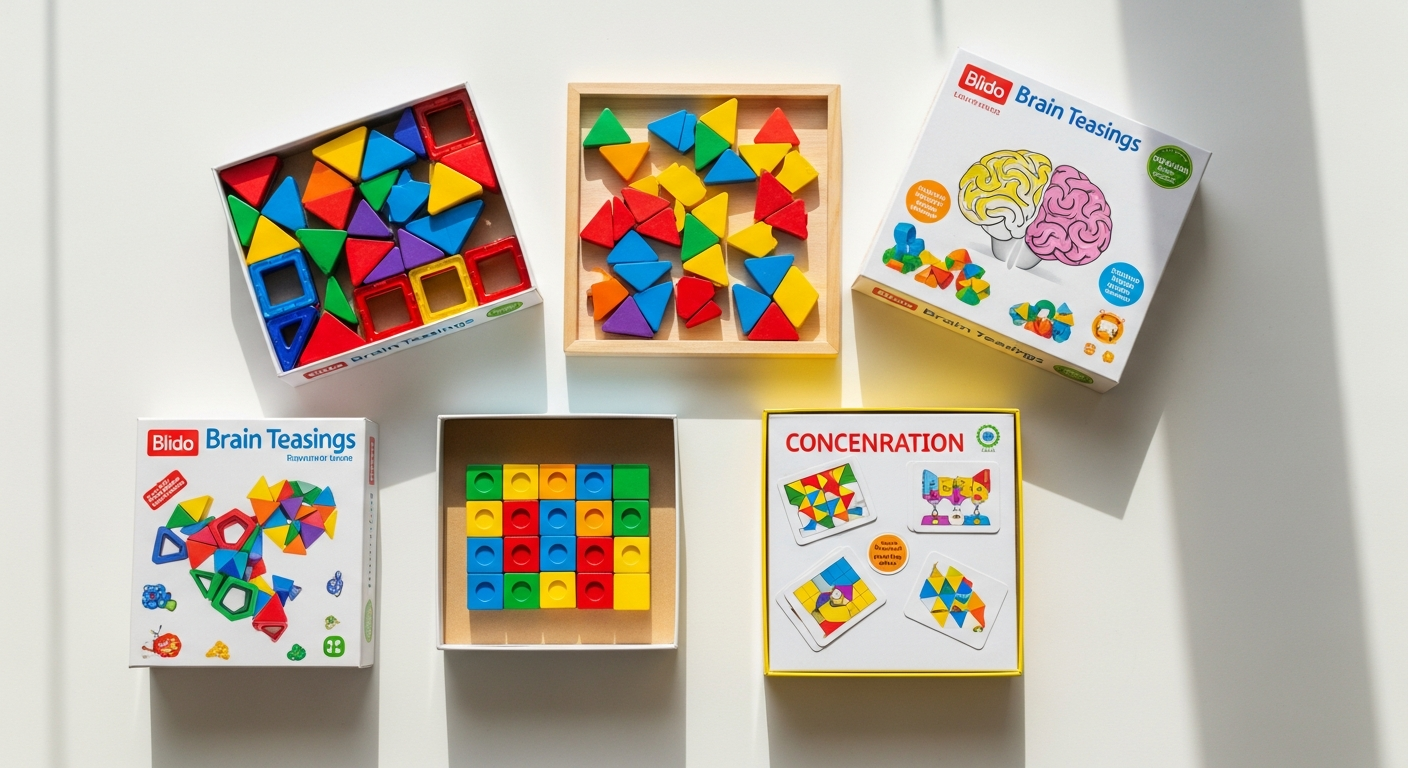
We started with magnetic tile building blocks (100-piece set). Lauren had been playing with them at school, and she came home asking if we could get some for home. That kind of request—when a kid actually wants something—is gold.
Magnetic blocks are brilliant for focus and spatial reasoning. You’re arranging triangles, squares, and hexagons that snap together magnetically, and suddenly your kid understands 3D shapes from the inside out. Lauren started with flat shapes the first week, but by day seven, she was building entire houses and rockets without asking for help.

A 100-piece set runs around $25–30. They’re safety-certified, the magnets are strong enough for small hands to manage easily, and the pieces are chunky with smooth edges. The one downside? Storage. Pieces scatter everywhere, and picking them all up becomes its own project. But the payoff in focus—absolutely worth it.
I noticed her attention span with these blocks stretched longer each day. That’s the subtle win parents don’t always see coming.
When she sat down and didn’t ask for help
Next came LaQ building blocks or LEGO Classic medium set. These are a step up in difficulty. Smaller pieces. More precision required. I was honestly nervous she’d get frustrated.
But something magical happened. Twenty minutes in, she was following the instructions on her own. By day three, she looked at me and said, “Mom, I want to do this myself.” That moment—that shift from “help me” to “I’ve got this”—is what summer learning is really about.
LaQ is a Japanese building system that uses flat pieces to create surprisingly detailed 3D objects. It’s harder than LEGO but the results are more intricate. Both options work beautifully for developing fine motor skills and sustained attention in five- to seven-year-olds. There’s real research backing this—the coordination and concentration kids build translates directly to their writing and reading.

LaQ medium sets are around $40–50; LEGO Classic medium is usually $30–40. Both are safety-certified. Fair warning:rning: if you have a toddler, you’ll need to supervise because those pieces are small. But for a single first-grader? Perfect.
She’ll spend 30–40 minutes building, then come show me what she made. That pride in her eyes? That’s the real thing.
Learning letters and numbers without it feeling like school
The third pick was letter and number learning board games. She’s picking up reading in school, but I wanted that learning to feel natural at home, not forced.
Lauren chose a card-matching game where you flip cards and match letters. Play it like a game, and suddenly she’s not “studying”—she’s competing. The same with the number board game: you roll the dice, move that many spaces, and naturally start seeing number patterns and sequences.
Here’s what matters: these games don’t feel like learning. Kids don’t resist them. They just want to play.

These sets cost around $15–20. The cards are thick and well-laminated, so they survive regular use. I’d say we play these maybe three or four times a week, only when Lauren actually wants to. And that’s the key—no pressure. The moment you force it, the learning stops.
If you haven’t already, check out my post on building a summer routine. Consistent daily rhythm makes these activities actually stick.
Coloring, cutting, and creating
Fourth was an arts and crafts activity set. Coloring, cutting, sticking—these develop hand coordination and creativity without a single “right answer.”
Lauren loves color time. At school, art is her favorite. So I put together a kit: colored pencils, crayons, stickers, safety scissors, and glue. There’s no pressure to make anything perfect. She just creates.
Her first month, the coloring went way outside the lines and her scissor cuts were wobbly. By week four, you could actually see the difference. That’s real skill-building happening quietly, without nagging.
These sets run $10–15 and usually include 24 colored pencils, 12 crayons, stickers, safety scissors, and glue. The pencil leads are thick enough not to snap constantly, which means less frustration.
One practical tip: put down newspaper or plastic before crafting. Crayon wax doesn’t wash off hardwood flooring, and I learned that the hard way.
The day she finished a 100-piece puzzle
The fifth and final activity was a 100-piece puzzle. Puzzles are the classic for a reason—they build focus and problem-solving at the same time.
We started with 50 pieces. Lauren finished it fast, so I bumped it up to 100. First few days: “Mom, this is hard.” By day seven, she was sitting quietly for over 30 minutes, completely absorbed, until it was done.
The moment she placed the last piece, she looked up and said, “Mom, I did it all by myself!” There was real pride there. That moment—that feeling of accomplishment—that’s what you’re actually building.

100-piece puzzles cost around $10–15 depending on the theme. Animals, dinosaurs, characters, landscapes—pick what your kid actually likes. Lauren went for animals. The pieces are thick, edges are rounded, and they’re genuinely safe. We framed hers and hung it in her room, and she points to it proudly every single day.
The real takeaway
Summer break doesn’t have to be all-or-nothing. You don’t need fancy tutors or expensive programs. What works is giving your kid a few really good options, letting *them* choose, and showing up consistently. Even 30 minutes a day of focused play builds real habits and real confidence.
These five activities got us through the summer without burnout on either end. Lauren developed genuine focus skills, I didn’t spend the entire break stressed, and somehow, learning just… happened.
광고

DCT Family Guide · Laurent’s Mom · Last updated 2026-06-13
Hands-on reviews from a Korean mother of two.
Personal experience-based. Product, policy, and price details may change over time — verify with the source before purchase.
💬 Frequently Asked Questions
❓ How long should a first grader focus on one activity during summer break?
Aim for 30 minutes to an hour most days, but let your child lead the pace. First graders naturally have shorter attention spans, so it’s better to have a few engaged sessions per week than to force daily marathon play that feels like a chore.
❓ Are magnetic tiles safe for younger siblings around?
Most 100-piece magnetic tile sets are safety-certified and designed for ages 3+, but always check for small loose parts if you have toddlers. The tiles themselves are large enough to be safe, but supervise younger kids who still mouth toys.
❓ What’s a good puzzle piece count for a child finishing first grade?
A 100-piece puzzle hits the sweet spot for most first graders—it’s challenging enough to require focus but not so hard that they give up. If your child breezes through those, you can move up to 150–200 pieces by the end of summer.
❓ Can these activities really replace summer workbooks for learning?
They won’t replace direct literacy or math practice, but they build critical thinking, fine motor skills, and focus habits that support all academic learning. Think of them as complementary—pair hands-on play with 10–15 minutes of light reading or math a few times a week for balance.