광고
This post contains affiliate links. As an Amazon Associate, I earn from qualifying purchases. Your price is not affected. Learn more about my affiliate policy
광고
Advertisement
The Bottom Line
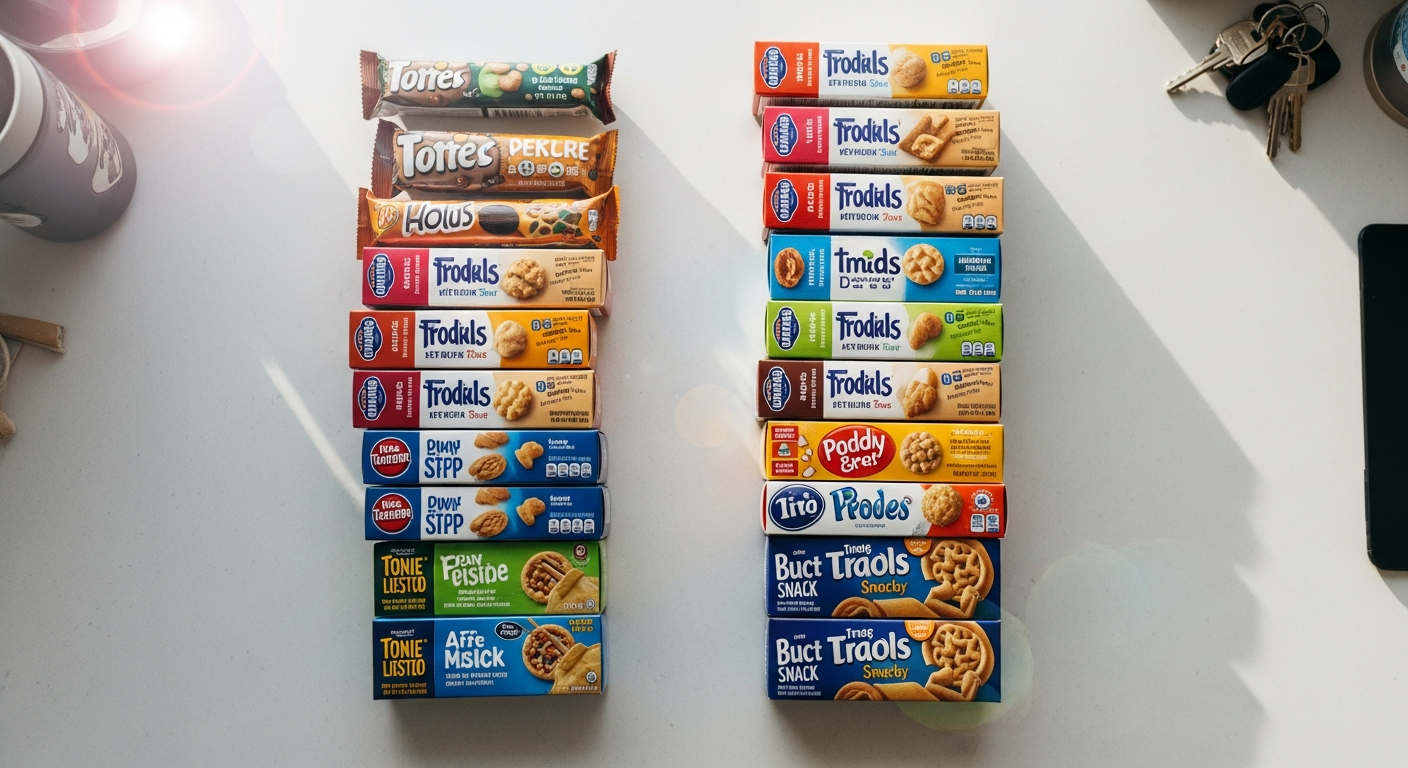
- I compared 5 Amazon brand toddler snacks head-to-head with 5 popular name brands over one month with my 5-year-old
- Amazon brand costs 30–40% less on average, but taste and texture vary by product
- Ingredient lists are nearly identical; some Amazon brand items actually have simpler formulations
- My son preferred Amazon brand rice crackers and seaweed snacks, but loved name brands for yogurt and fruit chips
- If you’re budget-conscious, try Amazon brand first—but if your kid’s picky, you might need to mix and match
I was doing my usual grocery run on Amazon one afternoon when I noticed they’d expanded their house brand toddler snack selection. I’d always stuck with familiar names—you know, the ones every mom in the Facebook groups raves about—but the price gap caught my eye. So I decided to spend a month comparing their private label line side-by-side with the brands I usually buy, using my 5-year-old as the ultimate taste tester.
My son comes home from kindergarten hungry every day, and snack time is sacred in our house. Rice crackers, seaweed snacks, fruit chips—he goes through them all. Instead of just grabbing what I always grab, I picked five matching categories and rotated between Amazon brand and name brand versions, keeping detailed notes on what he actually wanted to eat, what the ingredients actually said, and what I actually paid. What surprised me most wasn’t the price—it was how much his taste buds actually cared.
What’s Amazon Brand Snacks, Really?

Amazon brand (also called their private label) is exactly what it sounds like—products Amazon designs themselves and has manufacturers produce under their own label. In the kids’ snacks section, you’ll find their “Amazon Mama & Baby” line with everything from rice crackers to organic seaweed strips to cheese sticks. The packaging is simple, and the price tag is usually 30–40% lower than what you’d pay for the name brands sitting right next to them.
The name brands are the ones you already know: Beech-Nut, Plum Organics, Serenity Kids, and all those other companies that have been around forever. You see them everywhere on parenting blogs, mom Facebook groups, and Instagram feeds. There’s real comfort in that familiarity—you know other moms trust them, so you trust them too. Sure, they cost more, but you feel like you’re buying peace of mind.
For this test, I picked the same snack categories from both sides: rice crackers, seaweed snacks, yogurt, fruit chips, and cheese sticks. My son and I sampled them on rotation, and I logged his reactions plus photographed the nutrition labels from Amazon and retail sites to compare ingredients side by side.
One Month of Honest Taste Tests—Product by Product
1. Rice Crackers — Amazon Brand Wins
Amazon Mama & Baby Organic Rice Crackers vs Beech-Nut Organic Rice Crackers. Amazon came in at around $3.50 per 3.5 oz, while Beech-Nut was about $5.20. When I gave my son both packs blind, he just shrugged and said they tasted the same. Same crunch, same mild sweetness—he couldn’t tell the difference.
I checked the ingredient lists: both were 90%+ organic rice, no added sugar, no artificial flavors or colors. Identical. Amazon used domestically-sourced organic rice, and so had Beech-Nut. Honestly, for this category, Amazon brand is a no-brainer on value. We switched entirely to their rice crackers for the month, and my son never asked for the other brand.
2. Seaweed Snacks — Amazon Brand Wins
Amazon Mama & Baby Organic Seaweed Snacks vs Plum Organics Seaweed Snacks. Amazon was about $4 per pack (10 little sheets), Plum around $6.50. My son eats seaweed like it’s going out of style—I’d say two or three packs a day—so that price difference actually added up.
Both were salty and a little savory, but my son said Amazon’s was “crunchier.” He kept reaching for it. I noticed Amazon’s sheets were thinner and crisper, while Plum’s felt thicker. Same ingredients (organic seaweed, olive oil, sea salt), but the texture difference was real to him. After the month, we ditched Plum for Amazon’s version—and honestly, his snack bill went down noticeably.
3. Yogurt — Name Brand Wins
Amazon Mama & Baby Plain Yogurt vs Stonyfield Organic Yogurt. Amazon: $5.50 for 8 pouches. Stonyfield: $8.90. My son took one spoonful of Amazon’s yogurt and wrinkled his nose. “This is sour, Mom.” He refused the rest and wouldn’t touch it the next day.
I tasted it myself—he was right. Amazon’s had a tangier bite and wasn’t as creamy. Stonyfield was smooth and mildly sweet. Both showed 5+ probiotic strains and no added sugar on the label, but they definitely tasted different. My best guess is it’s either the fermentation time or the type of cultures used, but whatever it is, my kid’s taste buds voted with their feet. For yogurt, stick with the name brand.
4. Fruit Chips — Name Brand Wins
Amazon Mama & Baby Apple Chips vs Plum Organics Apple Chips. Amazon: $3.80 per 1.4 oz bag. Plum: $5.20. My son immediately pointed to the Plum bag and said, “That apple tastes better, Mom.” He kept asking for the Plum ones.
Both bags say “100% apples, no additives,” but the difference was obvious. Plum’s chips were crispy and tasted like concentrated apple sweetness. Amazon’s were harder and tasted more plain. It could be the apple variety or how they’re dried, but the taste gap was real. Since fruit chips are his go-to snack, I noticed this one the most. We went back to Plum.
5. Cheese Sticks — Very Close, Name Brand Slight Edge
Amazon Mama & Baby Cheese Sticks vs Beech-Nut Real Cheese Sticks. Amazon: $4.20 for 50g. Beech-Nut: $5.80. My son ate both without complaint, but after a few days, he started asking for the Beech-Nut ones more. Amazon’s felt a little drier; Beech-Nut’s were creamier and tasted more like, well, cheese.
Both lists say 60%+ real cheese, no artificial colors or flavors. The difference is subtle, but since the price gap isn’t huge, I’d lean toward the name brand here. It’s worth the extra couple dollars if your kid asks for it by name.
광고
광고
The Ingredient Deep Dive — Is There Really a Difference?

I screenshotted and compared all five ingredient labels over the month. Here’s what I found: when it comes to additives and fillers, Amazon brand and name brands are playing in the same ballpark. Both skip artificial flavors, colors, and preservatives. Both tout organic certifications on most items.
If anything, Amazon brand actually came out ahead on simplicity. Rice crackers and seaweed snacks from Amazon were just the basic ingredients—nothing extra. Some name brands added “vitamin boosts” or “probiotic blends” that I honestly didn’t think my 5-year-old needed. Simpler can be better, in my book.
That said, dairy products like yogurt and cheese can vary a lot between brands—different cultures, aging methods, and milk sourcing matter. But according to the FDA’s toddler snack standards, everything on the shelf has to meet the same safety benchmarks. So ingredient-wise, you’re not taking a risk with either one.
Advertisement
The Price Breakdown — How Much Will You Actually Save?
| Snack Type | Amazon Brand | Name Brand | You Save |
|---|---|---|---|
| Rice Crackers (3.5 oz) | $3.50 | $5.20 | 33% |
| Seaweed Snacks (10 pk) | $4.00 | $6.50 | 38% |
| Yogurt (8 pouches) | $5.50 | $8.90 | 38% |
| Fruit Chips (1.4 oz) | $3.80 | $5.20 | 27% |
| Cheese Sticks (50g) | $4.20 | $5.80 | 28% |
If you’re feeding a snack-obsessed kid like mine, this adds up fast. Over a month, I probably spent an extra $40–50 by sticking with name brands. That’s $480–600 a year. Not pocket change for a lot of families.
But—and this is important—that savings assumes your kid will eat the Amazon brand versions. If they won’t touch the yogurt or fruit chips, you’ve just wasted money and created a picky eater problem. My advice? Start with the cheaper stuff (rice crackers, seaweed snacks) where you’re likely to see real savings with zero sacrifice. Then test the trickier items in smaller quantities first.
So, What Should You Actually Buy?
Go Amazon brand for: Rice crackers, seaweed snacks, and basic grain-based snacks. The taste is genuinely comparable, and the savings are real.
Stick with name brands for: Yogurt, fruit chips, and cheese products where fermentation or flavor extraction matters to your kid’s palate.
Worth testing first: Cheese sticks—depends entirely on your kid, but the price difference isn’t huge enough to agonize over.
The honest takeaway? Amazon brand isn’t “lesser”—it’s just different. Some of it rivals name brands, and some of it doesn’t quite hit the mark for little taste buds. Spend 30% less on what works, and splurge on what your kid actually loves. That’s the real win.
광고

광고
DCT Family Guide · Laurent’s Mom · Last updated 2026-05-11
Hands-on reviews from a Korean mother of two.
Personal experience-based. Product, policy, and price details may change over time — verify with the source before purchase.
💬 Frequently Asked Questions
❓ Are Amazon brand toddler snacks actually safe for my kids?
Yes, Amazon’s private label snacks meet the same FDA safety standards as name brands and often have nearly identical ingredient lists. In some cases, the Amazon brand versions actually have simpler formulations with fewer additives, which can be a bonus for parents watching what their kids eat.
❓ Will my picky eater notice if I switch to Amazon brand snacks?
It really depends on the specific product—some Amazon brand items taste identical to name brands, while others have noticeable differences in texture or flavor. Based on this test, rice crackers and seaweed snacks were virtually indistinguishable, but yogurt and fruit chips had clear taste preferences, so you might need to test a few to see what works for your child.
❓ How much money can I actually save switching to Amazon brand toddler snacks?
Amazon brand snacks typically cost 30–40% less than popular name brands in the same categories. If you’re buying multiple snack items weekly, that can add up to real savings over a month—potentially $20–30 or more depending on how much your kid snacks.
❓ Can I mix Amazon brand and name brand snacks if my kid only likes certain ones?
Absolutely—that’s actually the smartest approach if you’re dealing with a picky eater. Buy Amazon brand for the items your child can’t tell apart (like rice crackers or seaweed), and stick with name brands for the ones where taste really matters to them (like yogurt or fruit chips).