광고
This post contains affiliate links. As an Amazon Associate, I earn from qualifying purchases. Your price is not affected. Affiliate Disclosure
광고
Advertisement
Quick Summary
- 10 lunchbox sides that even picky eaters love — based on actual daycare cafeteria favorites
- Meets 3 key criteria: bite-sized + tasty when cold + easy to pick up
- Real-world tested menus from moms who pack lunch 3+ times weekly — under 15 minutes prep time
- 5 freezer-friendly sides + 5 make-ahead options for stress-free mornings
Tuesday morning, April 22nd, I opened my 38-month-old’s lunchbox to find half the egg roll untouched. At home, she eats two egg rolls at a time, so why didn’t she eat it? I asked her daycare teacher. “Mom, lunchbox foods need to be bite-sized. If you cut the egg roll into small cubes, she’ll eat much better.”
That day changed everything. I got the daycare’s list of popular lunch items, collected recipes from our parent chat group, and spent 3 weeks testing different sides every single day. From all those tests, I narrowed it down to these 10 sides that actually came back empty.
If you have a picky eater, feel overwhelmed packing lunches, or struggle with menu ideas every morning, here are my real-world tips.
Picky Eater Lunchboxes: Remember These 3 Things
I heard this directly from a nutritionist who worked in daycare cafeterias for 5 years. Kids don’t reject lunchboxes because of taste—it’s the shape. Foods they eat well at home often go untouched in lunchboxes.
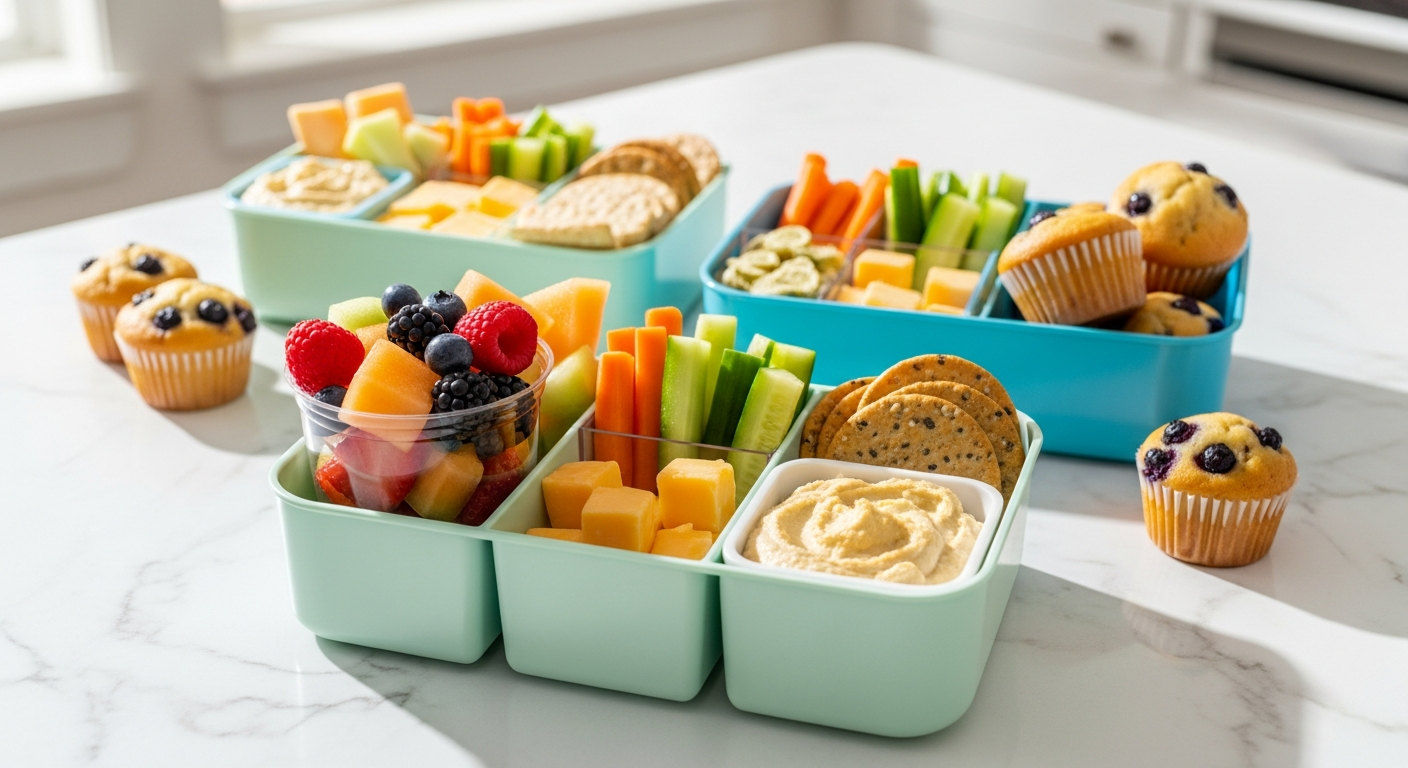
First, cut everything bite-sized. When they pick it up with a fork or fingers, it should fit in their mouth in one go. Egg rolls should be 1.5cm cubes, sausages sliced coin-thick, and vegetables cut to half a chopstick’s length or less.
Second, it must taste good cold. Lunchboxes usually sit for 2-3 hours before eating. Avoid foods that only taste good hot like pancakes or fried items—go for foods that maintain sweetness or umami at room temperature.
Third, bright colors help. Kids reach for colorful lunchboxes first rather than all-brown ones. Include even small amounts of yellow, orange, and green vegetables like bell peppers, broccoli, and carrots.
1. Egg Roll Cubes — Protein Staple
Whisk 2 eggs with 1 tablespoon milk and a pinch of salt, then roll on low heat. Once cooled, cut into 1.5cm squares to get about 10 bite-sized cubes. My daughter won’t touch long egg rolls, but once I cut them into cubes, she picks them up with her fingers and eats 5 at a time.
You can add diced ham or carrots, or sprinkle with seaweed flakes. I make 3 rolls on Sunday evening, refrigerate them, and cut one each on Monday, Tuesday, and Wednesday mornings. Prep time: 1 minute.
They stay fluffy and slightly sweet when cold, so picky eaters rarely refuse them. Even at daycare, egg dishes like steamed eggs and egg rolls have the least food waste.
2. Mini Blanched Sausages — 5-Minute Regular
Slice one large sausage into coin-thick pieces (5mm) and blanch in boiling water for 1 minute. This reduces grease and saltiness, making kids eat better. Pack a small container of ketchup separately so they can dip—the interactive element makes them eat more.
I use the mini silicone sauce containers I mentioned in my kitchen tools recommendation post for the ketchup. They don’t leak and kids can open them alone, which teachers appreciate too.
Keep a pack of sausages in the freezer and you’re set for a month. If you’re rushed in the morning, slice them the night before, refrigerate, and just blanch in the morning.
3. Sesame Broccoli — #1 Green Veggie Success
Break one head of broccoli into very small florets, blanch for 2 minutes in boiling water, and toss with half a spoon of sesame oil, one spoon of sesame seeds, and a pinch of salt. Don’t add garlic—kids don’t like the smell.
Floret size matters. About adult thumbnail-sized is perfect for little mouths. Too big and they can’t pick it up; too small and they can’t stab it with a fork, so either way they won’t eat it.
Blanch one head on Sunday and store in an airtight container—it keeps refrigerated for about 3 days. Each morning, scoop out a spoonful for the lunchbox and your green compartment is done.
4. Braised Fish Cake — Umami Champion
Cut 2 square fish cakes into 1cm squares, add 3 tablespoons water, 1 tablespoon soy sauce, 1 teaspoon sugar, and a bit of chopped scallion, then simmer on medium heat for 5 minutes until the liquid reduces. Once cooled, it’s glossy and sweet-savory—place it over rice and kids will eat the rice too.
It freezes well. Make a big batch with 5 fish cakes, portion and freeze, then thaw in the fridge the night before. In the morning, just scoop and pack.
This is the most-shared recipe in our daycare parent chat. Lots of testimonials that even very picky kids eat this one.
5. Steamed Kabocha Cubes — Natural Sweet Snack Alternative
Cut half a kabocha squash into 1.5cm cubes and steam for 10 minutes. No seasoning needed—just cool and pack as is. Kids naturally love sweetness, so the squash’s natural sugars are enough.
Easy to pick up with fingers and smooth to swallow, so even picky eaters accept it. The orange color also makes lunchboxes look appealing. It freezes for a month, so I recommend steaming one whole squash on the weekend and portioning for the freezer.
Since it’s moist, pack it in a silicone cup in one corner of the lunchbox so the rice doesn’t get soggy.
“Teacher, I finished all my lunch today!”
광고
광고
6. Ham & Veggie Stir-Fry — 3-in-1 One-Pan Solution
Cut half a slice of square ham, 1/4 bell pepper, and 1/4 onion all into 5mm squares and stir-fry on medium heat for 3 minutes with a little oil. Just a pinch of salt—the ham provides enough saltiness.
The mix of red, yellow, and white makes lunchboxes look vibrant. Kids apparently open colorful lunchboxes first. On days I packed this, she often came home with praise stickers from the teacher.
Chop all ingredients the night before and store in a ziplock bag—in the morning, just dump in the pan and stir-fry for 3 minutes. Total time including prep: 5 minutes.
Advertisement
7. Mini Rice Balls — Emergency Card for Rice Refusers
Mix one bowl of rice with half a spoon of sesame oil and one spoon of seaweed flakes, then shape into walnut-sized balls. Kids love holding and eating rice balls more than eating from a bowl. On days when she wouldn’t touch rice, rice balls disappeared completely.
You can mix in finely chopped vegetables or tuna. I make them walnut-sized so they fit in little hands easily. About 4-5 balls from one bowl of rice.
Wrap each ball in plastic wrap the night before and refrigerate—in the morning, unwrap and pack. They don’t fall apart and kids can eat them with their hands, so teachers like them too.
8. Carrot Sticks with Honey — Sweet Veggie Introduction
Cut carrots into matchstick size, blanch for 1 minute, and toss with half a teaspoon of honey while warm. The natural carrot sweetness plus a touch of honey makes even veggie-hating kids try them.
Don’t add too much honey—just enough to coat lightly. Too sweet and they’ll only want sweet things. The goal is getting them used to vegetable textures.
Keeps refrigerated for 2 days. Make a batch and pack a few sticks each day. The bright orange color makes lunchboxes cheerful.
9. Cheese Cubes — Calcium Boost
Cut string cheese or block cheese into 1cm cubes. That’s it. No cooking needed. Kids love cheese and it’s protein-rich, so it’s a win-win.
In summer, use an ice pack since cheese can spoil. In cooler months, it’s fine for 2-3 hours. I cut 5 days’ worth on Sunday and store in individual containers—grab one each morning.
Pair with cherry tomatoes or grapes for a balanced snack compartment. Kids who won’t eat regular sides will often at least eat the cheese.
10. Sweet Potato Rounds — Naturally Sweet Filling
Slice sweet potato into 1cm thick rounds and steam for 15 minutes until soft. No seasoning—the natural sweetness is perfect. Kids can hold the rounds and nibble, and they’re filling enough to satisfy hungry bellies.
Freezes beautifully. Steam 2 whole sweet potatoes on the weekend, slice, and freeze in portions. Thaw the night before and pack in the morning—they taste freshly steamed.
The golden color adds warmth to lunchboxes, and the soft texture works even for kids with few teeth or sensitive mouths.
My Sunday Night Prep Routine
Sunday evening at 8 PM, I spend 30 minutes prepping the week’s lunchbox ingredients. This routine transformed my mornings from chaotic to calm.
I make 3 egg rolls and refrigerate them whole. I steam one head of broccoli and one kabocha squash, then portion them. I blanch carrot sticks and make a batch of braised fish cake for freezing. Everything goes into labeled containers with the day marked.
Monday through Friday mornings, I just open containers, portion into the lunchbox, add fresh items like cheese or sausages, and we’re done in 5 minutes. No stress, no rushing, no forgotten items.
What Changed After 3 Weeks
Before I started following these principles, about half the lunchbox came back uneaten every day. My daughter’s teacher mentioned she was one of the slowest eaters and often didn’t finish.
After switching to these 10 tested sides with bite-sized portions, bright colors, and room-temperature-friendly flavors, everything changed. Week one, she finished her lunch 3 out of 5 days. Week two, 4 out of 5 days. By week three, she was finishing every single day and asking for seconds.
The teacher pulled me aside to say she’d become one of the better eaters in class. Not because the food was fancier or more elaborate—just because it was in a shape and form my daughter could actually handle.
Tools That Actually Help
You don’t need fancy equipment, but a few items genuinely made my life easier. Small silicone cups keep wet ingredients from making everything soggy. A basic lunchbox with 4-5 compartments prevents foods from touching (which bothers some picky eaters). And mini sauce containers for ketchup or dressing add interactive fun.
I use the same stainless steel lunchbox every day—easy to clean, doesn’t stain, and keeps foods separated. Nothing special, just functional. The silicone cups were a game-changer for watery items like kabocha or braised fish cake.
An insulated lunch bag with one ice pack handles summer heat. That’s it. Simple tools, consistently used.
Final Thoughts
Packing lunchboxes for picky eaters doesn’t have to be complicated or time-consuming. It’s not about elaborate bento art or Instagram-worthy presentations. It’s about understanding what works for small hands, small mouths, and foods sitting at room temperature for hours.
These 10 sides became my rotation because they’re tested, reliable, and actually get eaten. They meet the three essential criteria: bite-sized, tasty when cold, and easy for kids to handle independently. Half freeze well for make-ahead convenience, and half can be prepped the night before.
Start with one or two sides your child already tolerates at home. Cut them smaller than you think necessary. Add one bright-colored vegetable, even just a few pieces. Watch what comes back uneaten and adjust. Within a week or two, you’ll find your rhythm and your child’s favorites.
The day my daughter started coming home with empty lunchboxes and proud smiles made every early morning and Sunday prep session worth it. Yours will too.
광고

광고
DCT Family Guide · Laurent’s Mom · Last updated 2026-04-28
Hands-on reviews from a Korean mother of two.
Personal experience-based. Product, policy, and price details may change over time — verify with the source before purchase.
💬 Frequently Asked Questions
❓ How long can I keep prepped lunchbox sides in the fridge before packing them?
Most of these sides like egg roll cubes and blanched sausages stay fresh for 3 days in the fridge. I usually prep on Sunday evening and use them through Wednesday morning, then do a quick mid-week batch if needed for Thursday and Friday.
❓ What size should I actually cut things to be ‘bite-sized’ for toddlers?
Aim for pieces around 1.5cm (about half an inch) that fit in their mouth in one bite. For reference, egg rolls should be cut into small cubes, sausages sliced coin-thick at 5mm, and veggies no longer than half a chopstick’s length.
❓ Do I really need an insulated lunch bag, or can I just use a regular lunchbox?
If lunch is eaten within 2-3 hours and it’s not summer, a regular lunchbox is usually fine. But in warmer months or if there’s a longer gap between packing and eating, an insulated bag with an ice pack is essential to keep food safe.
❓ My kid eats certain foods at home but won’t touch them at daycare—why does this happen?
It’s usually about shape and temperature, not taste. Foods that are too big to pick up easily or only taste good hot often get rejected in lunchboxes, even if your child loves them at the dinner table. Cutting into bite-sized pieces and choosing foods that taste good cold makes a huge difference.