💡 Quick Answer
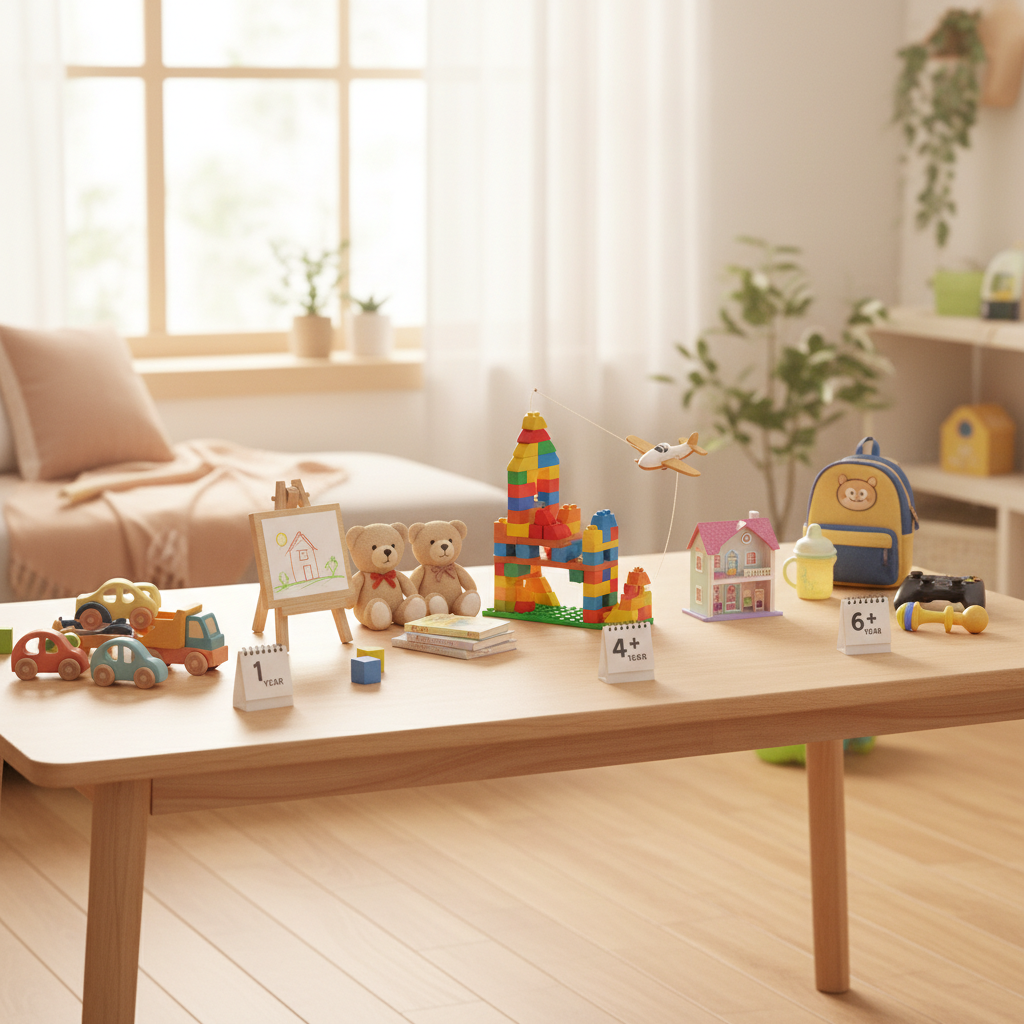
Sibling age gaps of 2-3 years offer the best balance of shared interests and reduced sibling rivalry, while 1-year gaps create more competition and 4+ year gaps result in less bonding but easier parenting.
광고
As an Amazon Associate, we earn from qualifying purchases. Your price is never affected. Full affiliate disclosure.
광고
⚡ 3-Second Summary (TL;DR)
- WHO recommends a minimum of 18-24 months after birth for safe pregnancy spacing, but in reality, the optimal age gap differs for each family.
- According to the American Academy of Pediatrics (AAP), children with less than 2-year gaps tend to experience more conflict, but research also shows higher creativity.
- Experts emphasize that intensive care is needed before the first child turns 3.
- The higher parents’ expectations, the more severe the first child’s jealousy tends to be, making realistic expectation adjustment important.
- Parents’ mental health, financial capacity, and support systems are more important factors than the age gap itself.
For You With Mixed Feelings About Those Two Pink Lines
“My older one just turned one… is this right?” That moment of confusion looking at two lines on a pregnancy test – so many moms can relate to this feeling. On the flip side, there are those wondering, “My first is already 7 years old, is it okay to have a second child now?”
The truth is, experts say there’s no such thing as a perfect sibling age gap. But if you know the characteristics of each age gap beforehand, you can prepare mentally and develop coping strategies, right?
Today, I want to explore the pros and cons of different age gaps with real moms’ vivid experiences, backed by medical and psychological evidence. I’ll also summarize the latest guidelines from credible organizations like WHO and the American Academy of Pediatrics.
Medically Safe Age Gaps: What Are the Real Standards?
Official Recommendations from International Organizations
WHO recommends a minimum of 24 months after birth, but not exceeding 5 years. The CDC and American College of Obstetricians and Gynecologists (ACOG) suggest an 18-24 month interval.
These recommendations exist because pregnancy and breastfeeding deplete the mother’s nutrient stores, and recovery time is needed, especially for folic acid and iron. Pregnancy within 6 months increases risks of premature birth, low birth weight, and maternal anemia according to research studies.
But Recent Research Tells a Slightly Different Story
According to a 2021 Curtin University study, WHO’s 24-month recommendation may be unnecessarily long in developed countries. The optimal birth interval is 30-40 months, but 18-23 months is also sufficiently safe according to the analysis.
In conclusion, from a medical safety perspective, maintaining at least 18 months is generally considered adequate in current medical thinking.
광고
1-Year Gap: “Our Twin-Like Children”
Advantages
Since they’re similar ages, they can enjoy the same toys and activities, naturally becoming playmates. You can handle diapers, naps, and potty training simultaneously, making it efficient.
“I have a 14-month gap. It was really tough at first, but now that they’re 4 and 5, they play as a team. They share toys and help each other – it’s so heartwarming to watch.” – Mom A
Since the first child is still young and doesn’t have many memories of ‘alone time,’ they tend to accept the second child’s existence more naturally.
Disadvantages
The physical and emotional exhaustion of caring for two very young children simultaneously can be extreme. When children are very young, parents are their only source of emotional regulation, and too much division can be problematic.
There are actual cases where families with a 20-month gap experienced the first child having night terrors, with both children going through regression and difficult periods simultaneously.
“With an 18-month gap, when both were in diapers and needing night feeds… I was like a zombie. If my husband hadn’t taken parental leave, I couldn’t have made it.” – Mom B
2-Year Gap: “The Most Popular Choice”
Advantages
The average gap in America is about 2.5 years, making it the most common choice. By the time the second child is born, the first becomes somewhat independent and communication becomes possible.
The first child often takes pride in their big brother/sister role and shows eagerness to participate in caring for the second child.
“I have a 2-year, 2-month gap. When the second was born, my first child would bring diapers and sing lullabies to comfort the baby. It was so adorable.” – Mom C
Disadvantages
The difference in play levels is still significant, making it difficult to play together, and the first child may reject the second, leading to frequent fights and crying. Having to move the second child according to the first child’s school schedule can disrupt the second child’s sleep patterns.
According to American Academy of Pediatrics data, children with less than 2-year gaps experience more conflict.
3-Year Gap: “The Art of Balance”
Advantages
Many experts consider the 3-year gap as the ‘sweet spot’ – a balance point between maternal health and sibling dynamics. The first child is already in preschool, allowing for one-on-one time with the second child and minimizing jealousy.
“I have a 3-year, 1-month gap. The time I spent alone with my second child while my first was at preschool was truly precious. My first child really loves their sibling.” – Mom D
The 3-year gap is considered neither too close nor too far apart, allowing them to play well together.
Disadvantages
While there aren’t major disadvantages, their interests may diverge as they become teenagers. Also, since the first child has already established their own routine and personality, adapting to changes may take time.
4+ Year Gap: “The Beginning of Relaxed Parenting”
Advantages
Many parents consider a 4.5-year gap ideal, as the first child often welcomes the second with confidence. Since the first child is already independent, outings are easier and fewer baby supplies are needed.
When there’s a larger age gap, the first child naturally takes on a mentor role, forming a protective and helpful relationship rather than a competitive one.
“I have a 5-year gap. My first child really loves taking care of the second. It’s more like a little mom/dad relationship than competition.” – Mom E
Disadvantages
The challenging parenting period extends, and you have to restart the diaper-feeding-night sleep cycle from scratch. The age gap might be so large that they barely have a relationship.
Major life events like middle and high school graduations may overlap, potentially making the second child feel overlooked.
Dealing with First Child Jealousy
Psychological Background of Jealousy
Sibling jealousy is evolutionarily a natural survival response – an instinct to monopolize mother’s love and protection. These reactions can appear from 9 months of age.
Recent research shows that the higher parents’ expectations, the more severe the first child’s jealousy becomes, as they perceive themselves as ‘resource competitors’.
Effective Response Strategies
The key is maintaining a stable relationship with parents, having realistic expectations, and raising the first child as a positive role model.
It’s important to reassure that the first child’s jealousy, anger, and sadness are natural emotions, that they don’t always have to like the sibling, and that they’re still loved.
“When my first said ‘take the baby back to the hospital,’ instead of scolding, I said ‘you’re upset, you wanted mommy all to yourself’ and empathized. They calmed down much faster.” – Mom F
This post contains affiliate links. As an Amazon Associate, I earn from qualifying purchases. Your price is not affected.
광고
📚 Related reads
💬 Frequently Asked Questions
❓ Is it safe to get pregnant when my first baby is only 12 months old?
While WHO recommends waiting 18-24 months after birth, recent research shows that getting pregnant at 12 months isn’t necessarily dangerous in developed countries with good healthcare. However, your body may still be recovering nutrient stores like iron and folic acid, so discuss with your doctor about supplements and closer monitoring during pregnancy.
❓ Will my kids fight more if they’re close in age?
The American Academy of Pediatrics notes that children with less than 2-year gaps do tend to have more conflicts, mainly because they’re competing for similar toys, attention, and developmental milestones at the same time. However, many parents report that close-in-age siblings also become best friends and natural playmates as they grow up.
❓ Is a 5+ year age gap too big for siblings to bond?
While larger age gaps mean less day-to-day conflict and easier parenting logistics, siblings can still form strong bonds regardless of the gap. The older child often takes on a protective, mentor-like role, though they’re less likely to be natural playmates during childhood compared to closer-aged siblings.
❓ How do I prepare my toddler for a new baby when they’re only 2 years apart?
Since your toddler is still very young and may not fully understand the concept, focus on maintaining their routine and giving extra one-on-one attention before the baby arrives. Experts emphasize that children under 3 need especially intensive care during this transition, so consider enlisting help from family or adjusting your expectations about the adjustment period.