💡 Quick Answer
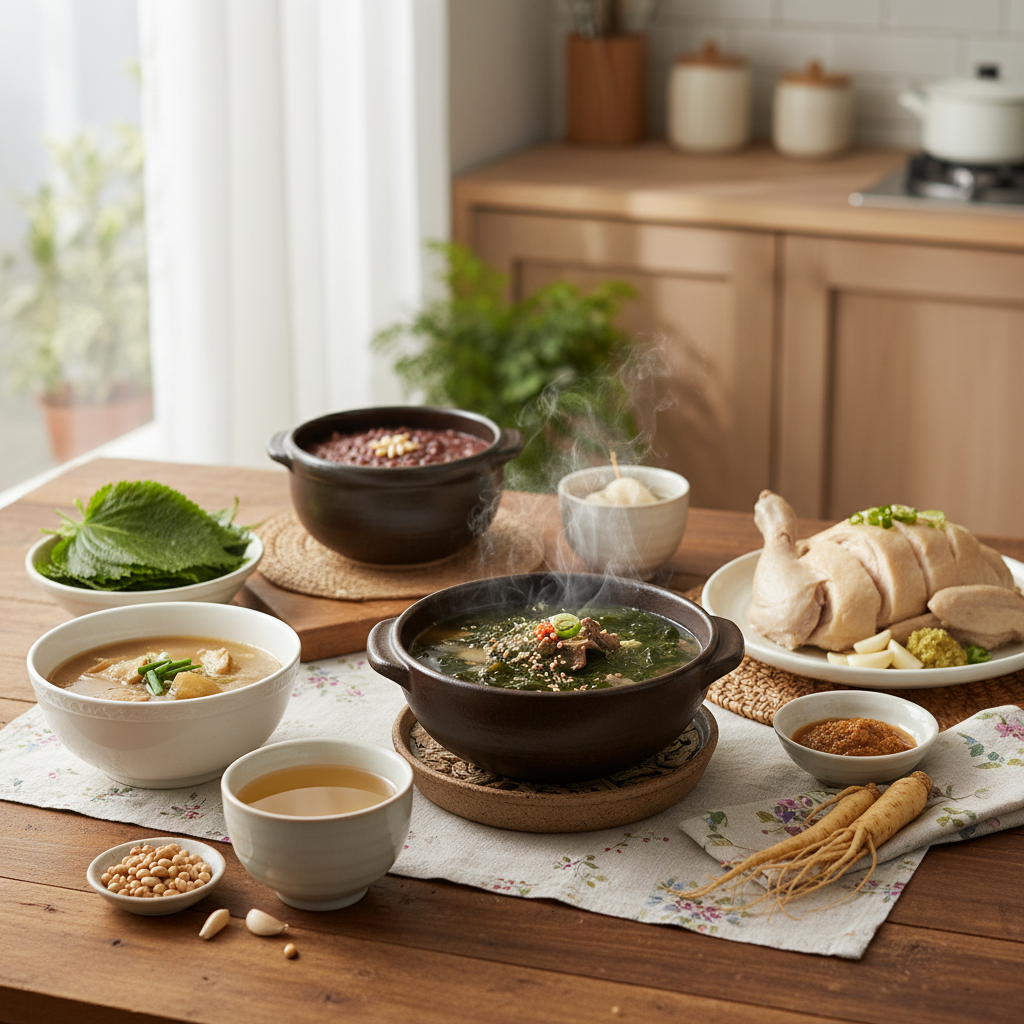
Korean postpartum recovery foods include seaweed soup, bone broth, steamed chicken, ginseng tea, and red bean porridge, which are traditionally consumed for 100 days after birth to restore energy and promote healing.
As an Amazon Associate, we earn from qualifying purchases. Your price is never affected. Full affiliate disclosure.
광고
⚡ 3-Second Summary
- Limit seaweed soup to twice daily, watch for iodine upper limit (2.4mg)
- Follow 2025 Korean Dietary Reference Intakes for maternal nutrition
- WHO recommends high-protein, energy-dense foods for recovery
- Pig’s feet collagen and elastin support milk production
- Mothers with thyroid conditions should consult specialists before dietary planning
The First Month After Birth: What Foods Do You Really Need?
On my third day at the postpartum care center after having my second child, I sighed when seaweed soup appeared on the tray again. “Does this really help my body?” I wondered. That curiosity led me to research the latest studies on postpartum nutrition, and I discovered that a survey by Korea’s Food and Drug Safety Evaluation Institute of 1,054 mothers across five regions showed many new mothers were consuming excessive amounts of iodine.
So here’s what I’ve prepared for you: a comprehensive 2025 postpartum food guide based on ACOG and nutrition association recommendations, the newly released 2025 Korean Dietary Reference Intakes, and traditional Korean medicine principles. I’ve compiled expert advice to help us mothers get the nutrition we truly need.
1. Seaweed Soup — Limit to Twice Daily
Seaweed soup has long been valued for postpartum recovery due to its rich iron, calcium, and iodine content, but we need to approach it differently now.
Nutritional Evidence
Per 100g, seaweed soup contains 9.4g protein and 202mg calcium, supporting muscle maintenance and bone health. The iron-rich seaweed also helps replenish blood lost during childbirth.
Important Precautions
However, mothers’ average iodine intake was found to be 2.9mg, exceeding the upper limit. Limit seaweed soup consumption to twice daily, and soak seaweed for at least 30 minutes, then rinse under running water before use.
Cooking Tips
Use beef bone, brisket, or chicken broth instead of kelp broth to reduce iodine intake. Also remember that green onions can interfere with calcium absorption from seaweed, so it’s better to omit them.
2. Pig’s Feet — A Reliable Ally for Milk Production
I was skeptical about whether pig’s feet really help with breastfeeding, but surprisingly, the scientific evidence is quite solid.
Traditional Korean Medicine Basis
The collagen and elastin in pig’s feet are excellent proteins that help produce breast milk, and Korean medicine has traditionally used pig’s feet in postpartum herbal prescriptions.
According to Professor Jang Jun-bok from Kyung Hee University Hospital’s Korean Medicine Gynecology Department, “Brewing herbal medicine in pig’s feet broth provides both nutritional and medicinal benefits”.
Nutritional Benefits
The high-quality protein and collagen in pig’s feet support recovery of tissues damaged during childbirth, and when consumed with adequate fluids, they act as foods that promote breastfeeding.
광고
3. Pumpkin Porridge — Traditional Wisdom for Reducing Swelling
I discovered something interesting about pumpkin porridge.
Literature Review
There’s no documented evidence for using pumpkin postpartum, and the “hobak” mentioned in Dongui Bogam refers to amber (琥珀), not the vegetable pumpkin. A Korea Institute of Oriental Medicine paper also points out that amber should be used instead of the incorrectly substituted pumpkin (南瓜).
Modern Perspective
However, mature pumpkin is rich in vitamins and carotene, good for reducing swelling, and pumpkin products for mothers are commonly sold at health stores and pharmacies, so moderate consumption could be beneficial.
Precautions
We should consider that excessive consumption of pumpkin “juice” as postpartum food may cause postpartum obesity due to sugars or interfere with nursing due to diuretic effects.
4. Braised Lotus Root — Hidden Gem for Iron Supplementation
Lotus root contains 1.1mg iron per 100g when blanched, significantly higher than carrots or radish of the same weight, and the National Institute of Agricultural Sciences rates lotus root as a “natural iron supplement”.
Improved Cooking Methods
However, traditional lotus root braising with soy sauce, sugar, and corn syrup at high temperatures can easily produce harmful compounds. Pan-fried lotus root with just a little flour and egg can be healthier.
Nutritional Content
Lotus root contains about 66 calories per 100g, 44-50mg vitamin C, rich potassium for sodium excretion and blood pressure control, and has a low glycemic index of 33, useful for blood sugar management.
5. Carp Soup — Perfect High-Protein, Low-Fat Combination
Korean women have traditionally consumed various foods like pork bone soup, ray soup, and dried cod soup, with fish like carp being commonly eaten due to high protein content and easy digestion.
Carp is rich in essential amino acids with low fat content, making it an ideal protein source for postpartum recovery.
6. Dried Pollack Soup — Convenient and Nutritious Choice
Dried pollack is a representative low-fat, high-protein fish. The drying process concentrates nutrients, providing sufficient protein in small amounts, and when made into soup, it also provides hydration—beneficial for new mothers.
7. Shrimp Soup — Double Effect of Calcium and Protein
Shrimp is rich in calcium and protein, but during breastfeeding, it’s better to avoid allergy-triggering foods like shrimp and crab. It’s safer to check family history and personal constitution before consumption.
8. Beef and Seaweed Soup — Meeting of Iron and Protein
The combination of iron from seaweed and heme iron from beef increases absorption rates. Research shows that seaweed’s rich omega-3 fatty acids help promote maternal recovery.
9. Bean Sprout Soup — Treasure Trove of Folate and Vitamin C
Bean sprouts are an important source of folate, crucial not only during pregnancy but also postpartum. The 2025 Korean Dietary Reference Intakes updated appropriate intake standards for 20 nutrients including folate, which remains important for mothers.
10. Chicken Porridge — Complete Food Without Digestive Burden
Chicken provides complete protein while being easy to digest, making it ideal for early postpartum. Making it into porridge allows simultaneous hydration and nutrition.
Foods to Avoid While Breastfeeding
Foods to Completely Avoid
- Over 90% of alcohol is secreted into breast milk within 1 hour of drinking, so if you’ve had alcohol, wait at least 3 hours before nursing
- Smoking transfers harmful substances like nicotine to babies through breast milk and reduces milk supply
- High-mercury fish like tuna, snakehead, and red tilefish should not be consumed more than once weekly
Foods to Consume in Moderation Only
- Sweet foods like sikhye, honey, and sugar can block milk ducts and reduce milk supply
- During breastfeeding, limit caffeine to under 300mg daily (2-3 cups of coffee)
- Spicy foods like chili, onions, ginger, and garlic may cause diarrhea or stomach pain in babies
Postpartum Diet Principles from Korean Medicine Perspective
Dongui Bogam states that “postpartum edema occurs when stagnant blood flows through meridians to the limbs, requiring removal of blood stasis and nourishment of qi and blood, not strong diuretics”.
This aligns with modern nutrition’s WHO recommendations for “high-protein, energy-dense foods and iron-rich foods”.
Remember that treatment for postpartum edema follows the same principles as postpartum care: adequate rest, mild sweating, and appropriate movement help reduce swelling.
Frequently Asked Questions
Q. How many times a day can I eat seaweed soup?
A. The Food and Drug Safety Evaluation Institute recommends limiting seaweed soup to twice daily and soaking seaweed for at least 30 minutes before rinsing under running water. This helps reduce excessive iodine intake while still getting the nutritional benefits.
Q. Is pig’s feet really effective for milk production?
A. The collagen and elastin in pig’s feet are good proteins that help produce breast milk, and Korean medicine has traditionally used pig’s feet in postpartum herbal prescriptions. While individual results may vary, there’s both traditional and nutritional basis for its benefits.
Q. What should I be most careful about during the first month?
A. Focus on adequate protein intake, moderate seaweed soup consumption (avoiding iodine excess), and staying hydrated. Avoid alcohol, limit caffeine, and consult your healthcare provider about any dietary concerns, especially if you have thyroid conditions.
광고